the unique charm of japanese web design
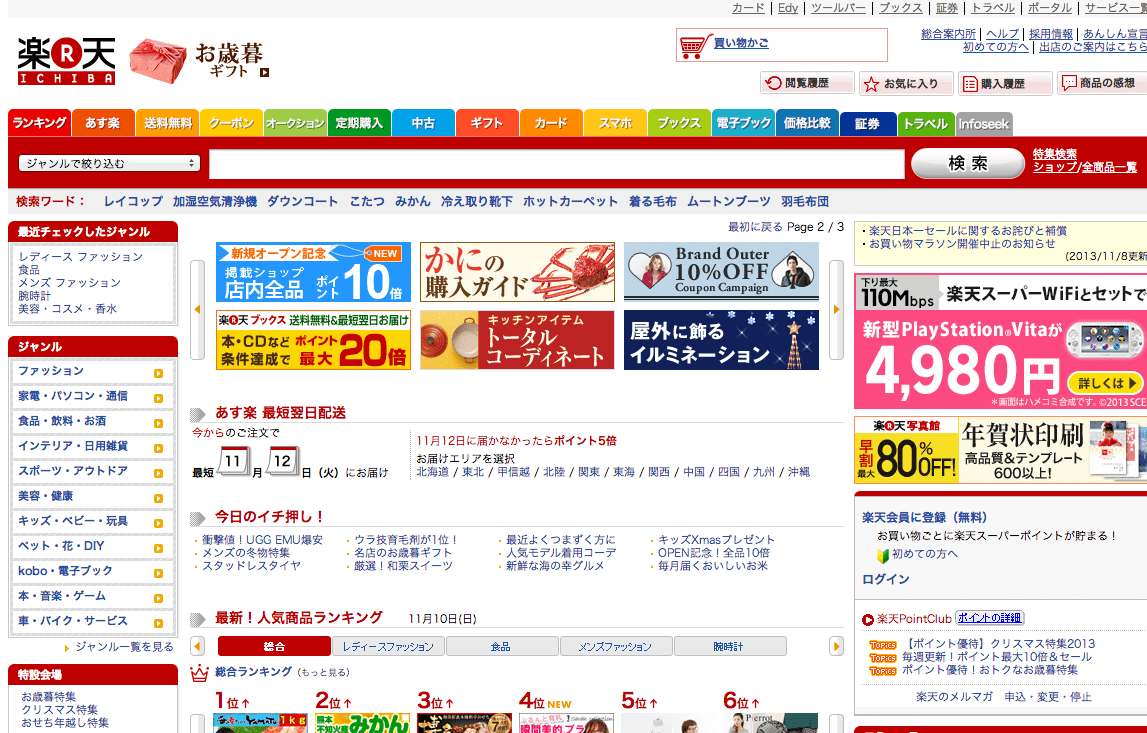
Source: Rakuten Ichiba https://www.rakuten.co.jp/
In the world of web design, trends and styles often vary greatly from one region to another. One of the most fascinating examples of this regional variation is Japanese web design. Japanese websites have a distinctive aesthetic and functionality that set them apart from their Western counterparts. This blog post will explore the unique characteristics of Japanese web design and delve into the cultural and historical factors that contribute to its uniqueness.
Key Characteristics of Japanese Web Design
✿ Dense Information Layout
Japanese websites often feature a dense layout filled with information. Unlike the minimalist approach commonly seen in Western web design, Japanese sites tend to pack a lot of content into each page. This includes text, images, links, and advertisements. The reason for this dense layout can be traced back to Japan’s print media, where space is limited, and information needs to be conveyed efficiently.
✿ Vibrant and Diverse Colors
Bright and diverse color schemes are a hallmark of Japanese web design. These websites often use a wide range of colors to attract attention and highlight different sections of the page. This use of vibrant colors can be linked to traditional Japanese art and culture, which embraces vivid hues and intricate patterns.
✿ Complex Navigation
Navigation on Japanese websites can be quite complex, with multiple menus, submenus, and links scattered throughout the page. This complexity can be overwhelming for first-time visitors but is intended to provide easy access to a wealth of information. This approach reflects the Japanese cultural emphasis on thoroughness and detail.
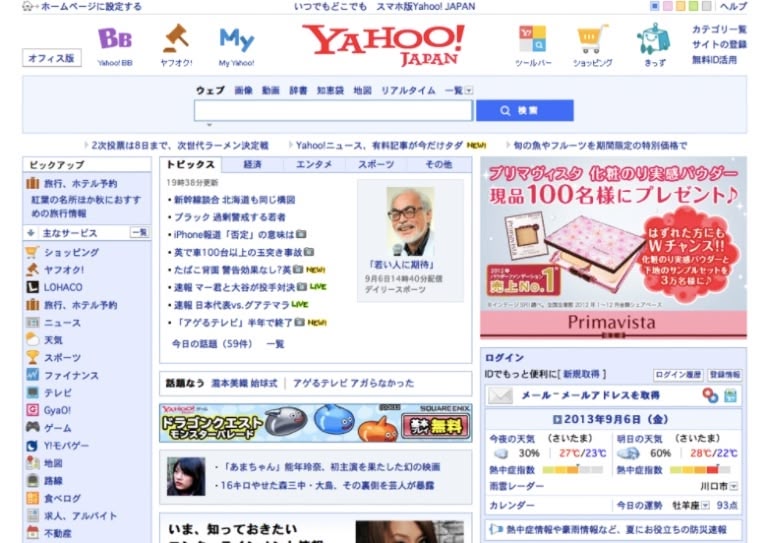
Source: Yahoo! Japan 2020 https://www.yahoo.co.jp/
✿ Typography and Text
Japanese web design often features a mix of different fonts and text sizes. This variety in typography is used to emphasize important information and create visual interest. The Japanese language, with its combination of kanji, hiragana, and katakana characters, also contributes to the unique textual presentation on these websites.
✿ Cultural Elements
Many Japanese websites incorporate traditional cultural elements such as anime, manga, and kawaii (cute) graphics. These elements are not only popular in Japanese pop culture but also resonate with a global audience, giving the websites a distinctive and appealing look.
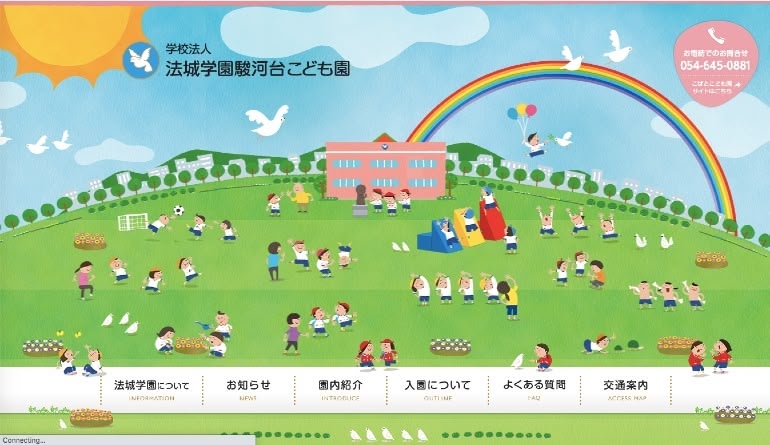
Source: Surugadai Kindergarten http://hojo-gakuen.ed.jp/surugadai.html
✿ Mobile-First Approach + Front-end Development Constraints
Early adoption of mobile internet in Japan led to the development of mobile-friendly designs, a trend that continues today.
In Japanese web design, front-end development constraints include several unique factors. First, due to the high usage of mobile devices, responsive design is essential. Additionally, the Japanese language has a higher character count, making typography considerations like font size and line spacing crucial. Japanese users also tend to expect high-quality design and functionality, often incorporating many animations and interactive elements. Effectively combining these aspects requires advanced skills in CSS and JavaScript.
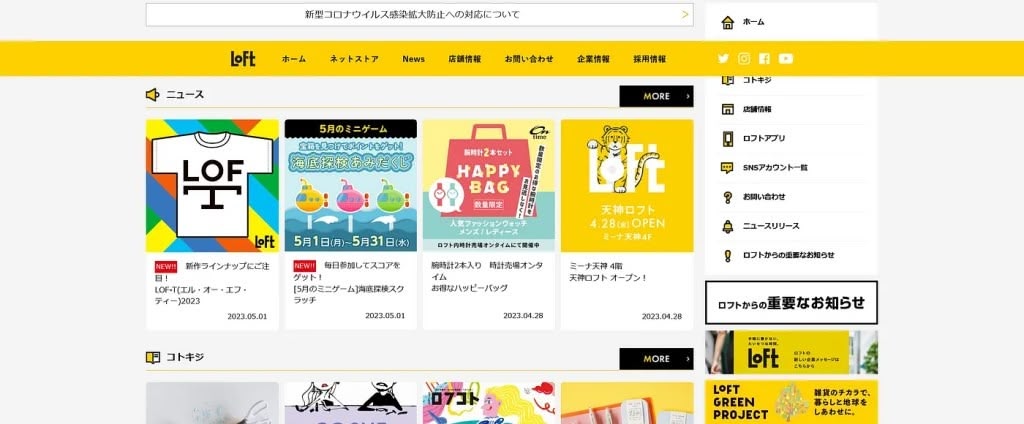
Source: Loft https://www.loft.co.jp/
Cultural and Historical Influences
✿ Print Media Legacy
The dense information layout of Japanese websites can be traced back to the country’s print media, where newspapers and magazines are packed with text and images. This legacy has carried over into web design, where space is utilized to its fullest extent to convey as much information as possible.
✿ Technological Evolution
Japan has always been at the forefront of technological advancements. The early adoption of mobile internet in Japan led to the development of mobile-friendly websites that prioritize compact and efficient design. This mobile-first approach is still evident in many Japanese websites today.
✿ Cultural Aesthetics
Japanese culture places a high value on aesthetics, which is reflected in the vibrant and intricate designs of their websites. Traditional art forms, such as ukiyo-e (woodblock prints) and ikebana (flower arranging), emphasize balance, color, and detail, influencing modern web design aesthetics.
✿ Consumer Expectations
Japanese consumers expect a high level of detail and thoroughness in the information presented to them. This expectation drives web designers to create websites that are rich in content and provide comprehensive information, even if it means sacrificing simplicity and minimalism.
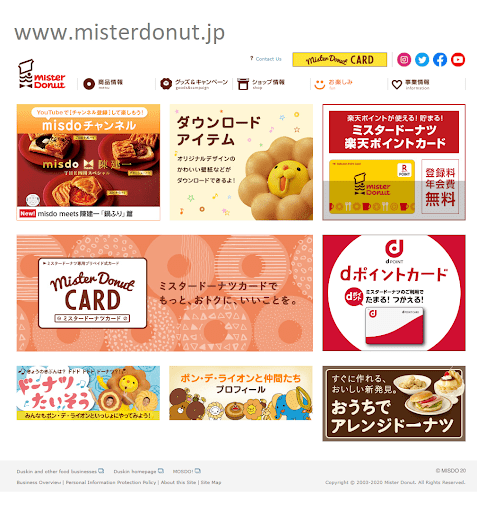
Source: Mister Donut https://www.misterdonut.jp/
Japanese web design is a fascinating blend of cultural heritage, technological innovation, and unique aesthetic principles. Its dense information layout, vibrant colors, complex navigation, and incorporation of cultural elements set it apart from Western web design. Understanding these differences not only helps us appreciate the diversity in web design practices but also offers valuable insights for designers looking to create websites that cater to a global audience.
Whether you find Japanese web design visually stimulating or a bit overwhelming, there’s no denying its distinct charm and the cultural richness it brings to the digital world. ♡