y2k websites that shaped a generation
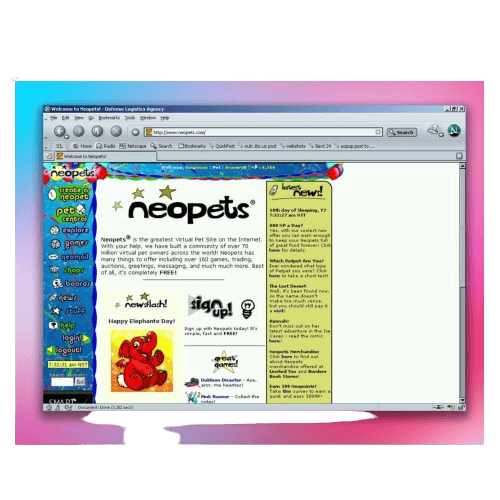
In the late 1990s and early 2000s, a colorful virtual pet website called Neopets quietly sparked a coding revolution among a generation of young internet users, including myself. While often overlooked in formal research on web creativity and personalization, Neopets stands out as a formative experience for many millennials who later pursued careers in programming and digital design.
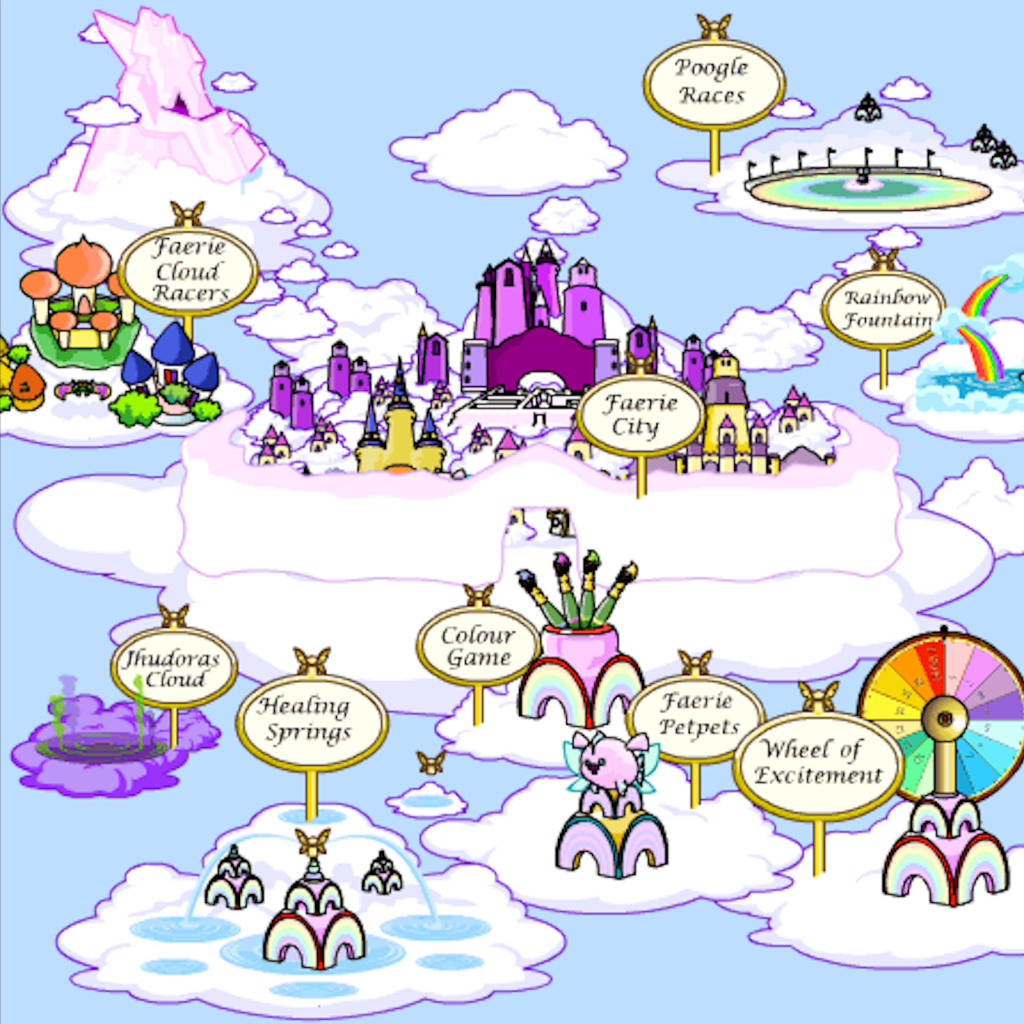
Founded in 1999 by Adam Powell and Donna Williams, Neopets quickly became a cultural phenomenon. The site allowed users to care for virtual pets, play games, and interact in a vibrant online community. However, what set Neopets apart was its customization features, which inadvertently became a gateway to web development for many of its young users.
Neopets was not alone in this era of DIY web creation. Platforms like Angelfire, GeoCities, MySpace, and Tumblr also played crucial roles in shaping the web-savvy generation. These platforms provided users with the tools to create personal web pages, blogs, and profiles, often requiring basic knowledge of HTML and CSS to customize layouts, fonts, and colors.
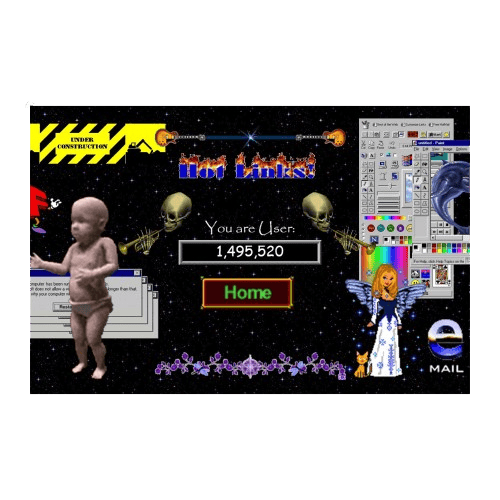
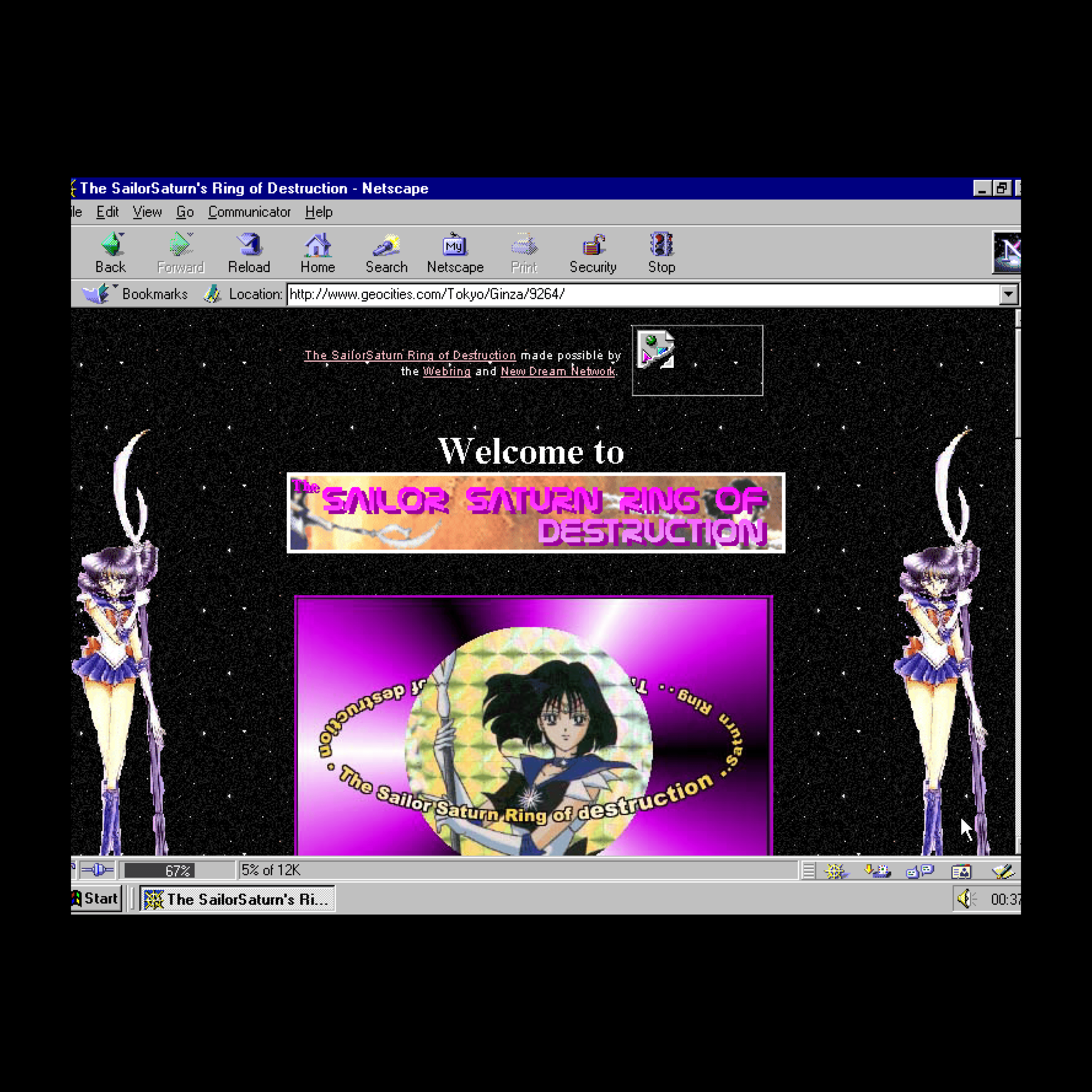
Angelfire and GeoCities, both launched in the mid-90s, were among the first to offer free web hosting with user-friendly interfaces for creating personal websites. These platforms were playgrounds for experimentation, allowing users to embed music, images, and even custom scripts. MySpace, launched in 2003, took this a step further by integrating social networking with web design. Users could completely transform their profiles, embedding music players, animated backgrounds, and more, making each page a unique expression of identity.

Tumblr, which emerged in 2007, brought blogging into the mix, combining the customization of personal pages with the ease of sharing content. Users could edit their Tumblr themes, adding custom HTML and CSS to personalize their blogs in ways that reflected their aesthetic and interests. The ability to reblog and share code snippets and tutorials further fostered a community-driven learning environment.
Like Neopets, these platforms provided a canvas for creativity. Users could modify their pages using HTML and CSS, often learning these languages through trial and error or by studying the code of other users’ pages. This hands-on approach to learning web design was both engaging and practical, allowing users to see immediate results from their efforts.
The impact of these platforms on future programmers and creators was significant:
-
✿ Early exposure to coding: Many users were introduced to basic programming concepts at a young age, often without realizing they were learning valuable skills.
-
✿ Creative problem-solving: The limitations of the platforms encouraged users to find innovative ways to achieve their desired designs, fostering creative thinking.
-
✿ Community-driven learning: Users shared tips, tricks, and code snippets, creating an informal peer-learning environment.
-
✿ Motivation through personalization: The desire to stand out and express individuality drove users to expand their coding knowledge.
-
✿ Accessible entry point: These platforms provided a low-stakes environment for experimenting with web design, making coding less intimidating for beginners.
Despite their influence, platforms like Neopets, Angelfire, GeoCities, MySpace, and Tumblr are often overlooked in academic research on web creativity and personalization. This oversight may be due to their perception as “just a game” or “just a social network,” or because they catered to a younger, less formal audience. However, their impact on fostering a generation of tech-savvy individuals cannot be understated.

As we reflect on the platforms that shaped the current landscape of web development and digital creativity, it’s crucial to recognize the roles of Neopets, Angelfire, GeoCities, MySpace, and Tumblr in inspiring countless individuals to explore the world of coding. Their legacies live on in the careers and hobbies of those who first dabbled in HTML within these colorful, whimsical, and highly personalized online spaces.
For researchers and educators in the field of web development and digital literacy, the Neopets phenomenon, alongside Angelfire, GeoCities, MySpace, and Tumblr, offers valuable insights into effective ways to engage young people with technology and coding. By understanding what made these platforms so captivating and educational, we can develop better strategies for introducing new generations to the joys and possibilities of web creation.
These platforms deserve recognition as pivotal spaces that introduced many to the world of coding and web design. Their impact on the current generation of programmers and digital creators is a testament to the power of combining play, creativity, and learning in online spaces.